
Super Voyager Deep Sea Fishing Blog
Deep Sea Fishing Facts: What Every Myrtle Beach Angler Should Know
Knowing a few important deep sea fishing facts can make your next offshore adventure safer and more enjoyable. From changing ocean temperatures to the equipment used on charter boats, understanding how offshore fishing works helps anglers prepare for a successful day on the Atlantic Ocean.
Whether you’re a first-time angler or an experienced fisherman, Voyager Deep Sea Fishing & Dolphin Cruises offers opportunities to explore the waters off the South Carolina coast. Learning what affects fish behavior, where different species live, and how weather influences offshore conditions can help you make the most of your time on the water.
How Do Ocean Temperatures Affect Fish Movement?
Ocean temperatures play a major role in where fish travel and feed. As seasons change, many species move between coastal waters, reefs, wrecks, and deeper offshore areas.
During warmer months, anglers may encounter species such as cobia, king mackerel, and mahi-mahi in suitable waters. As temperatures cool, other species may become more accessible, depending on their migration patterns and habitat.
Fish movement also depends on several factors:
- Water temperature and seasonal changes
- Availability of baitfish
- Ocean currents and underwater structures
- Water depth and dissolved oxygen
- Spawning and migration patterns
These factors explain why anglers may catch different species in the same location throughout the year.
Deep Sea Fishing Facts: How Deep Do Charter Boats Go?
One common misconception is that offshore anglers must travel into extremely deep water to find large fish. In reality, productive fishing grounds exist at many depths.
The Atlantic Ocean off South Carolina features reefs, shipwrecks, ledges, and offshore structures that attract different species. Some productive locations sit in relatively shallow offshore waters, while others require longer trips into deeper areas.
For comparison, the Mariana Trench reaches nearly 36,000 feet below sea level. However, recreational charter boats generally fish at much shallower depths, depending on the destination and target species.
Why Do Certain Fish Prefer Deeper Water?
Different fish species require specific habitats to survive. Some prefer cooler temperatures, while others gather near reefs, wrecks, and underwater ledges.
Deeper water does not always contain more oxygen than shallow water. Instead, oxygen levels depend on temperature, circulation, biological activity, and other ocean conditions.
Anglers interested in Myrtle Beach fishing should understand that the best depth depends on the species they hope to encounter. Experienced captains use seasonal patterns and local knowledge to identify promising fishing areas.
What Are Some Surprising Deep Sea Fishing Facts About Large Fish?
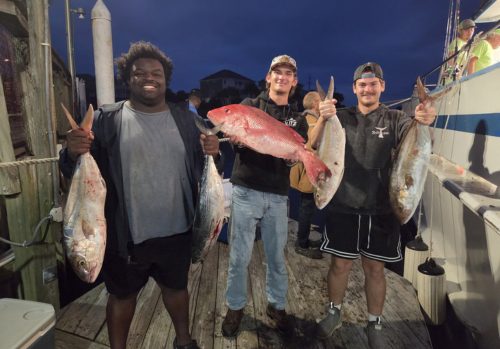
 The ocean is home to enormous fish, but size alone does not determine where anglers should fish. Some large species travel through offshore waters, while others remain close to underwater structures.
One famous saltwater fishing record involves a 2,664-pound great white shark caught off Australia in 1959. However, record-setting catches are extremely rare and should not represent typical charter expectations.
South Carolina anglers may encounter species such as:
- King mackerel
- Amberjack
- Grouper
- Snapper
- Cobia
- Mahi-mahi
- Various offshore shark species
Species availability depends on the season, fishing location, and current regulations. Some species have strict size limits, seasonal closures, or harvest restrictions.
What Equipment Makes Offshore Fishing Different?
Offshore fishing often requires stronger equipment than anglers use in calm coastal creeks or shallow bays. Larger fish, stronger currents, and greater fishing depths place additional demands on rods, reels, and tackle.
Voyager Deep Sea Fishing & Dolphin Cruises provides opportunities for anglers to experience offshore waters without owning specialized equipment. The crew can explain how to use the gear and help passengers understand proper fishing techniques.
A typical fishing charter may use:
- Heavy-duty rods and reels
- Strong fishing line and leaders
- Hooks and tackle suited to target species
- Weights for reaching deeper water
- Appropriate bait or artificial lures
The equipment varies according to the fishing method and expected conditions.
Do Moon Phases and Weather Affect Fish Activity?
Moon phases influence ocean tides, which can affect water movement and baitfish behavior. Stronger tidal currents sometimes create feeding opportunities, although a full moon does not guarantee better fishing.
Weather fronts can also change offshore conditions. Wind direction, barometric pressure, waves, and water temperature may influence where fish gather and how actively they feed.
However, approaching storms and rough seas can create dangerous conditions. Captains prioritize passenger safety and may adjust routes or schedules when conditions become unfavorable.
Deep Sea Fishing Facts: How Can Beginners Prepare?
Preparation helps first-time anglers feel comfortable during their fishing adventure. Spending several hours offshore requires suitable clothing, sun protection, and attention to hydration.
Before your fishing trip, consider these essentials:
- Wear lightweight clothing and non-slip shoes.
- Bring sunscreen, sunglasses, and a hat.
- Drink plenty of water throughout the day.
- Ask about motion-sickness prevention before departure.
- Follow crew instructions when handling fishing equipment.
- Check what food, drinks, and personal items are permitted.
Remember that sunscreen protects against sunburn, but it does not prevent dehydration. Drinking water regularly remains important, even on cooler days.
Frequently Asked Questions About Deep Sea Fishing
Is offshore fishing suitable for beginners?
Yes. Many charter experiences welcome beginners, and crews can explain basic techniques, equipment handling, and safety procedures.
What is the best season for offshore fishing in Myrtle Beach?
Fishing opportunities exist throughout the year. However, target species, weather conditions, and seasonal regulations influence the best time to schedule an outing.
Can you catch large fish on a charter?
Yes, larger fish inhabit offshore waters. However, catches depend on conditions, location, fishing methods, and natural fish behavior.
Is offshore fishing dangerous?
Offshore activities involve risks, including rough water, sun exposure, and fishing equipment injuries. Following crew instructions and checking weather conditions helps reduce those risks.
How long does an offshore charter last?
Trip lengths vary by operator and destination. Some outings last several hours, while longer excursions allow additional travel time to distant fishing grounds.
Plan Your Next Myrtle Beach Offshore Fishing Experience
Understanding these ocean conditions helps anglers set realistic expectations and prepare for an enjoyable outing. Every trip offers a different experience, whether you’re learning basic techniques or exploring offshore fishing grounds.
Ready to experience the Atlantic Ocean firsthand? Call Voyager Deep Sea Fishing & Dolphin Cruises to learn about available trips, departure schedules, and what to bring for your next offshore adventure.
Voyager Deep Sea Fishing & Dolphin Cruises
1525 13th Ave N
North Myrtle Beach, SC 29582
(910) 575-0111
(843) 626-9500
http://supervoyagerdeepseafishing.com/
Recent Reviews:


Didn’t find what you were looking for?
Check out our private charter options!